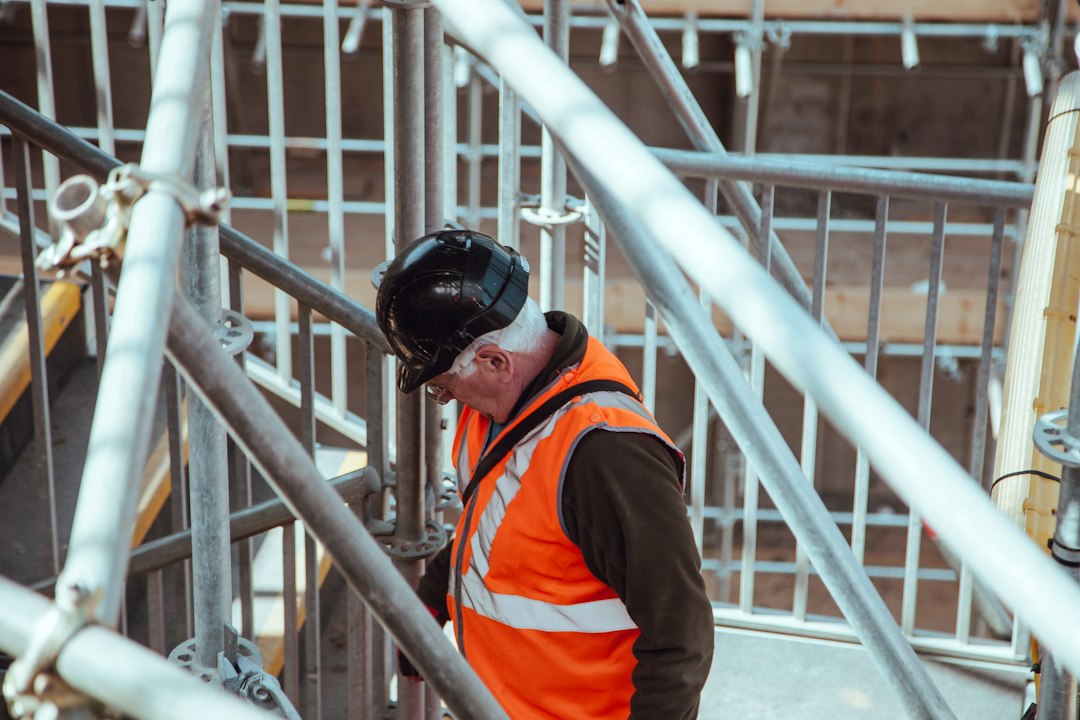
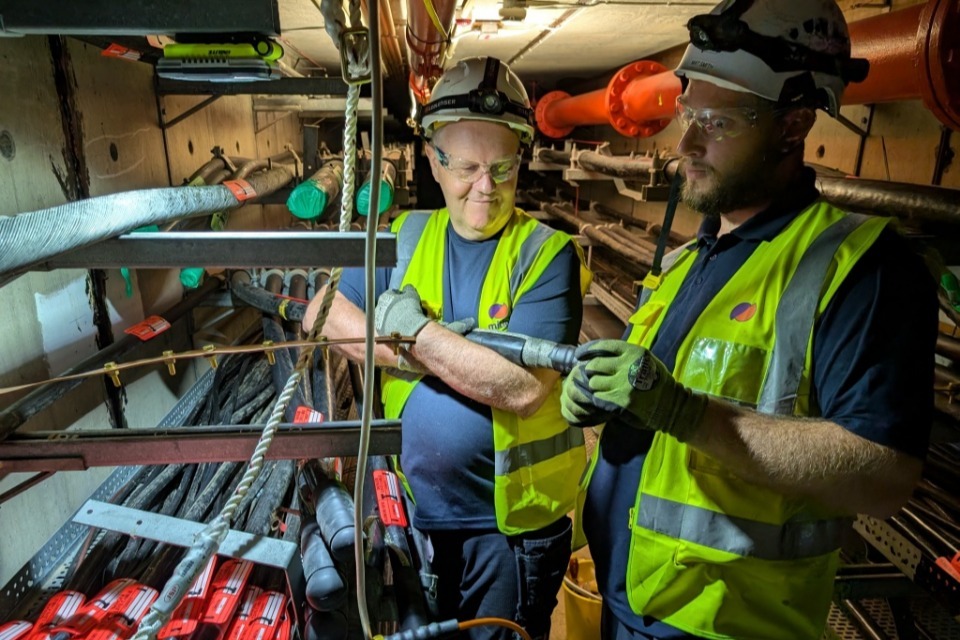
Anonymised examples of planning work across water, nuclear, utilities and defence. These outline the programme challenge, planning response and practical outcome.
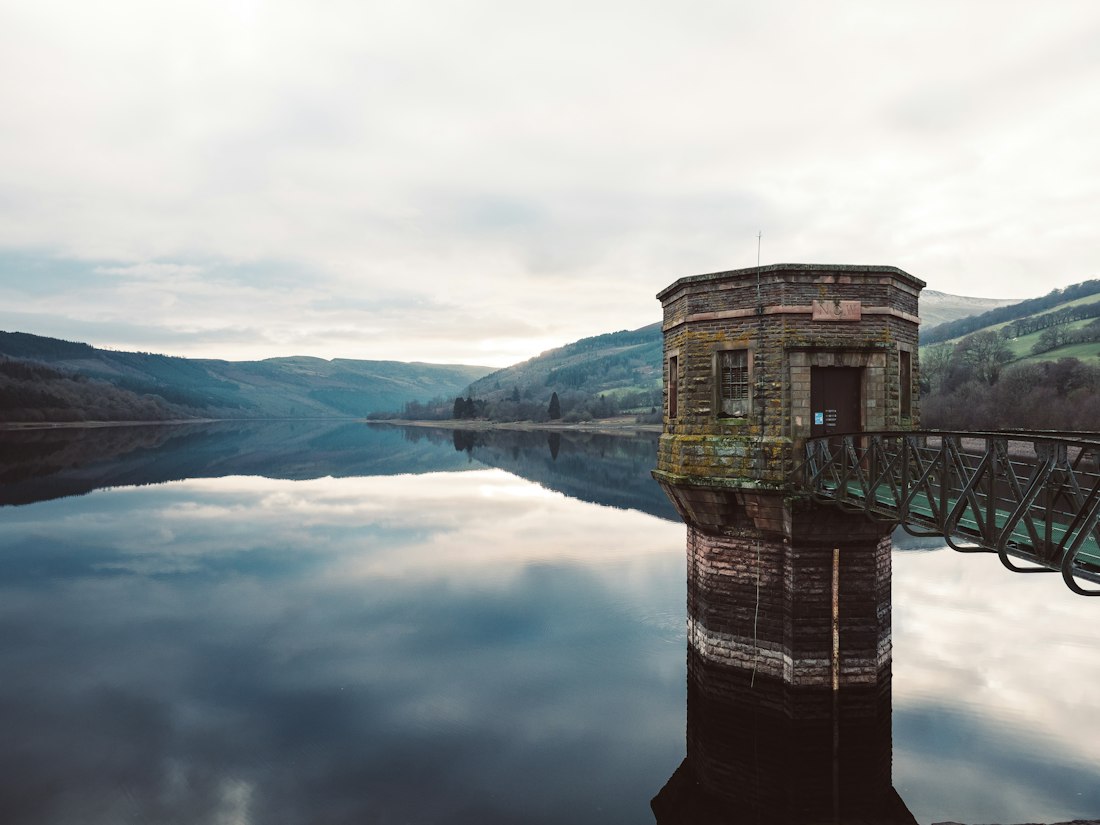
Water Treatment Works Upgrade
Challenge: Live operations alongside civil, mechanical, electrical and commissioning activities.
Planning response: A logic-linked Primavera P6 programme coordinated around process interfaces and shutdown windows.
Outcome: Critical dependencies and commissioning risks clearly identified ahead of progress decisions.
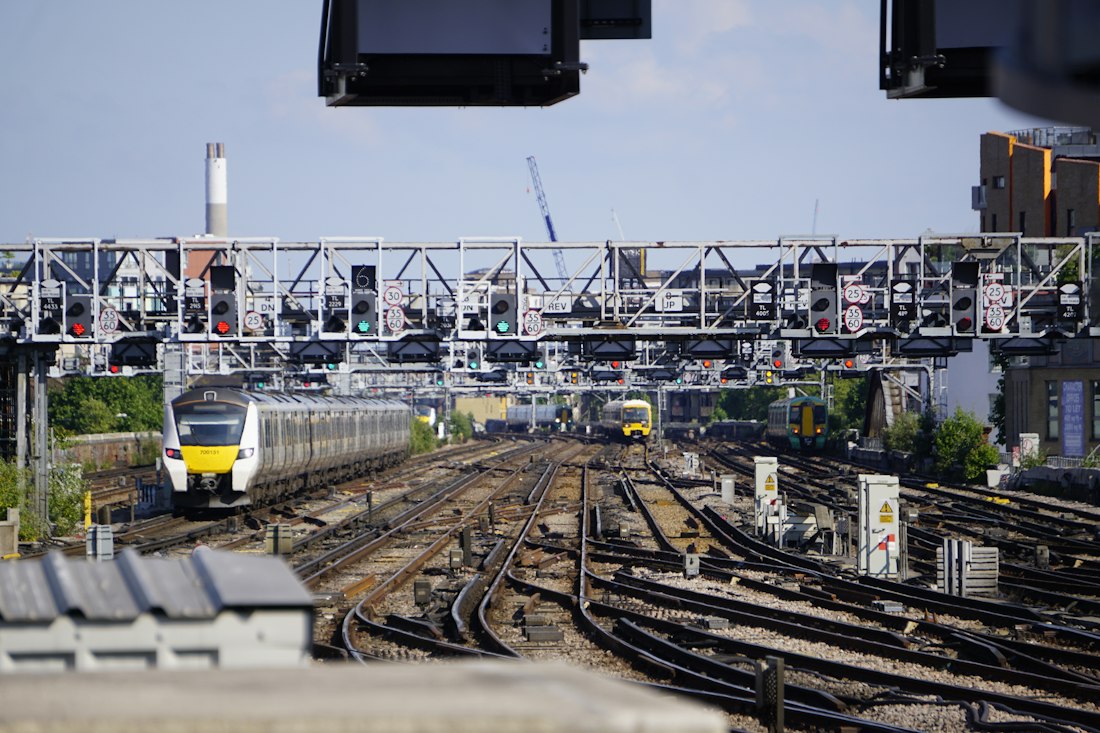
Nuclear Decommissioning Programme
Challenge: Several contractors, regulatory hold points and a fragmented delivery schedule.
Planning response: Schedule health checks, logic and constraint reviews, and integration of contractor programmes into a coordinated master programme.
Outcome: A joined-up view of key milestones, interfaces and forecast risks for programme assurance.
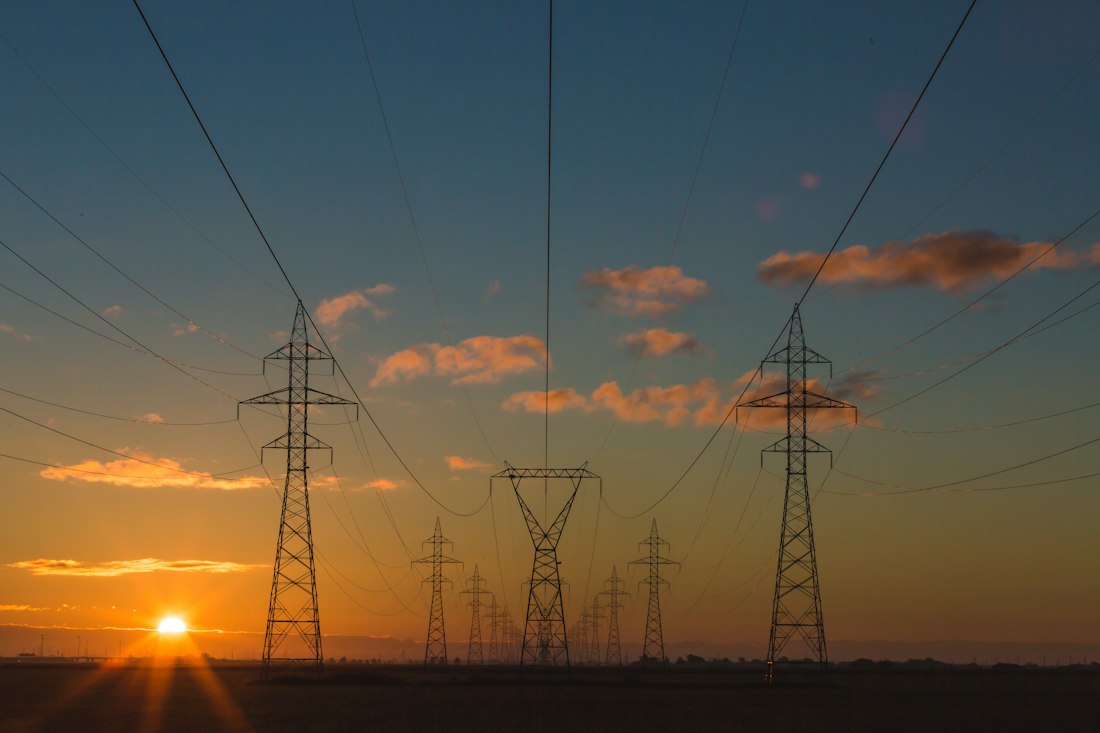
Utilities Network Upgrade
Challenge: Utility diversions, access dependencies and multiple workfronts that need coordinating with construction activities.
Planning response: An integrated sequence for design, permits, procurement, enabling works, network interventions and reinstatement, with key interfaces reviewed regularly.
Outcome: Interface and permit dependencies visible in the programme, supporting coordinated decisions on workfront readiness.
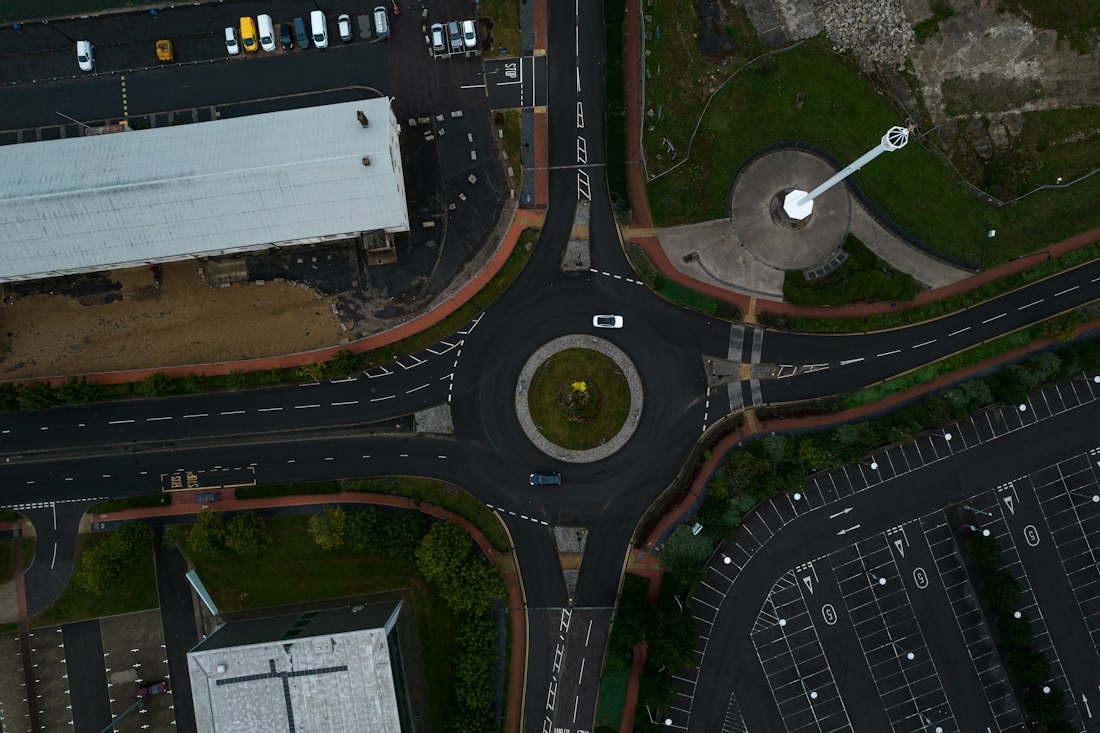
Defence Infrastructure Tender Planning
Challenge: A constrained delivery environment, access requirements and interdependent design, procurement and construction activities.
Planning response: A logic-linked tender programme developed around the proposed methodology, long-lead items, key dates and risk allowances, supported by a tender narrative.
Outcome: A coherent bid programme showing the planned delivery sequence, access assumptions and activities controlling key milestones.