Projects & Sector Experience

Experience Shaped by the Demands of Delivery.

Explore the environments where detailed programmes, reliable progress data and clear reporting help project teams make better decisions.

Explore Our Sectors

Different Environments. A Consistent Planning Approach.

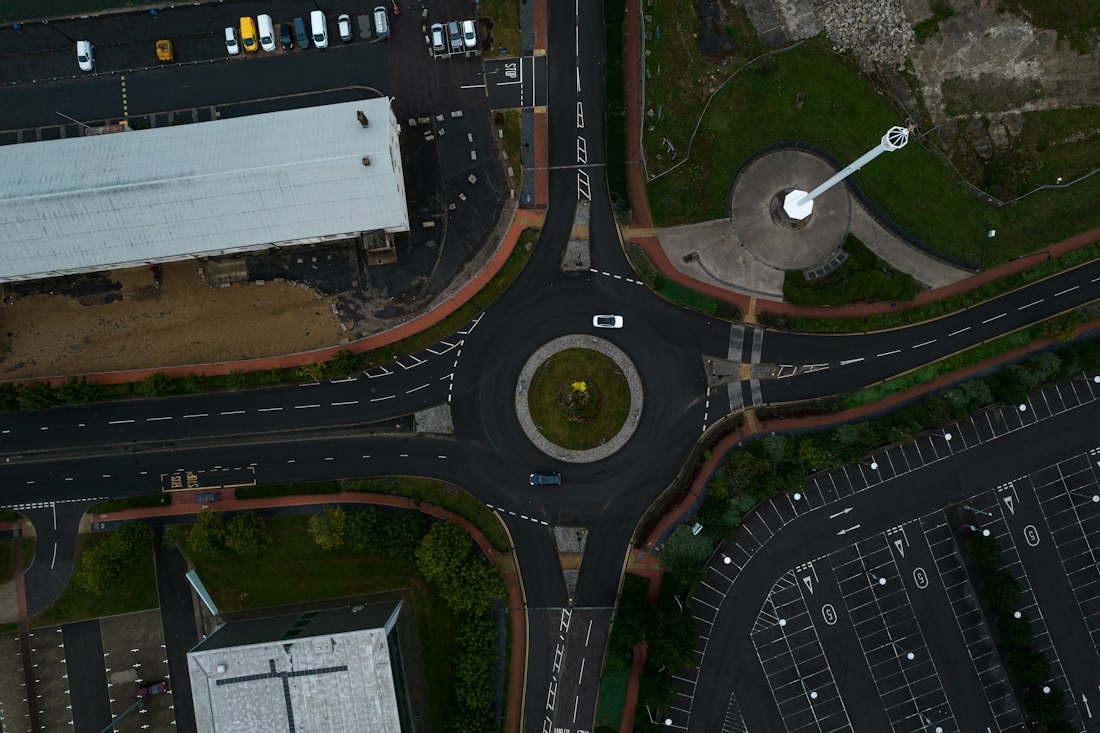
Roundabout and road transport infrastructure (illustrative image)

Highways and Transport

Sequencing complex civil works, traffic interfaces, utilities and key delivery milestones.

Planning outcome: Interface and diversion dependencies visible against key construction milestones.

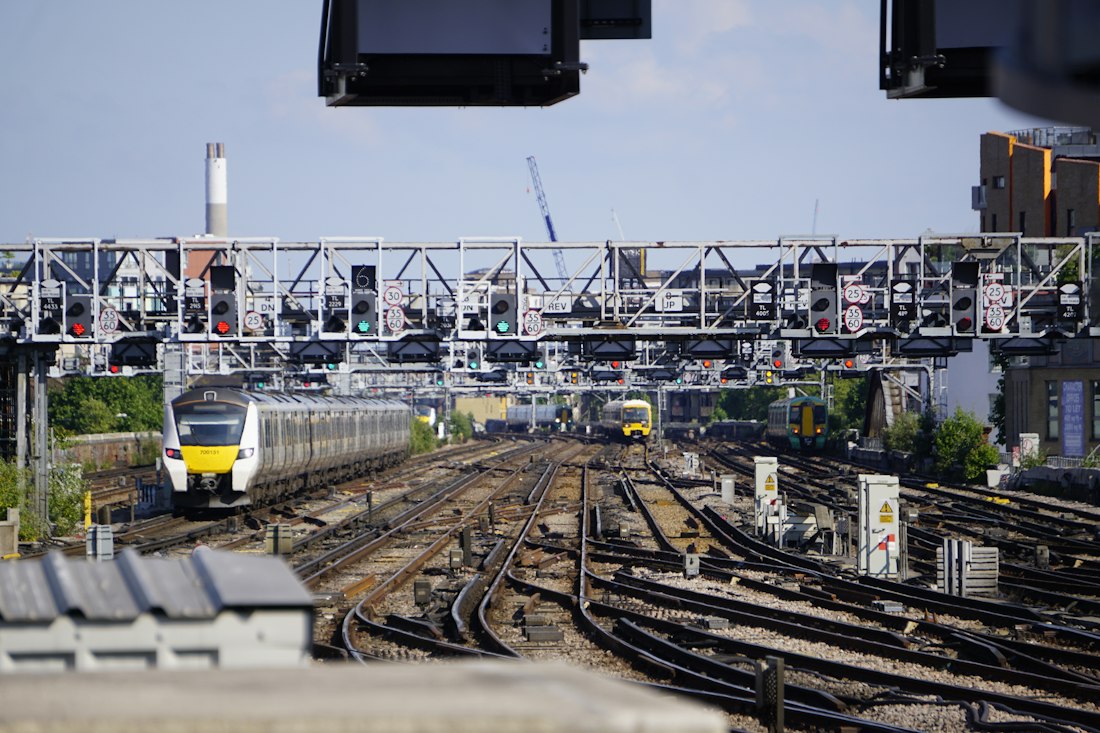
Rail lines approaching London Bridge station (illustrative image)

Rail Infrastructure

Coordinating possessions, contractor interfaces, commissioning and operational readiness.

Planning outcome: A coordinated sequence for possessions, commissioning and operational handover.

Electrical power pylons at sunset (illustrative image)

Energy and Power

Planning design, equipment procurement, outages, construction and commissioning interfaces.

Planning outcome: Procurement, outage and energisation interfaces reflected in the forecast.

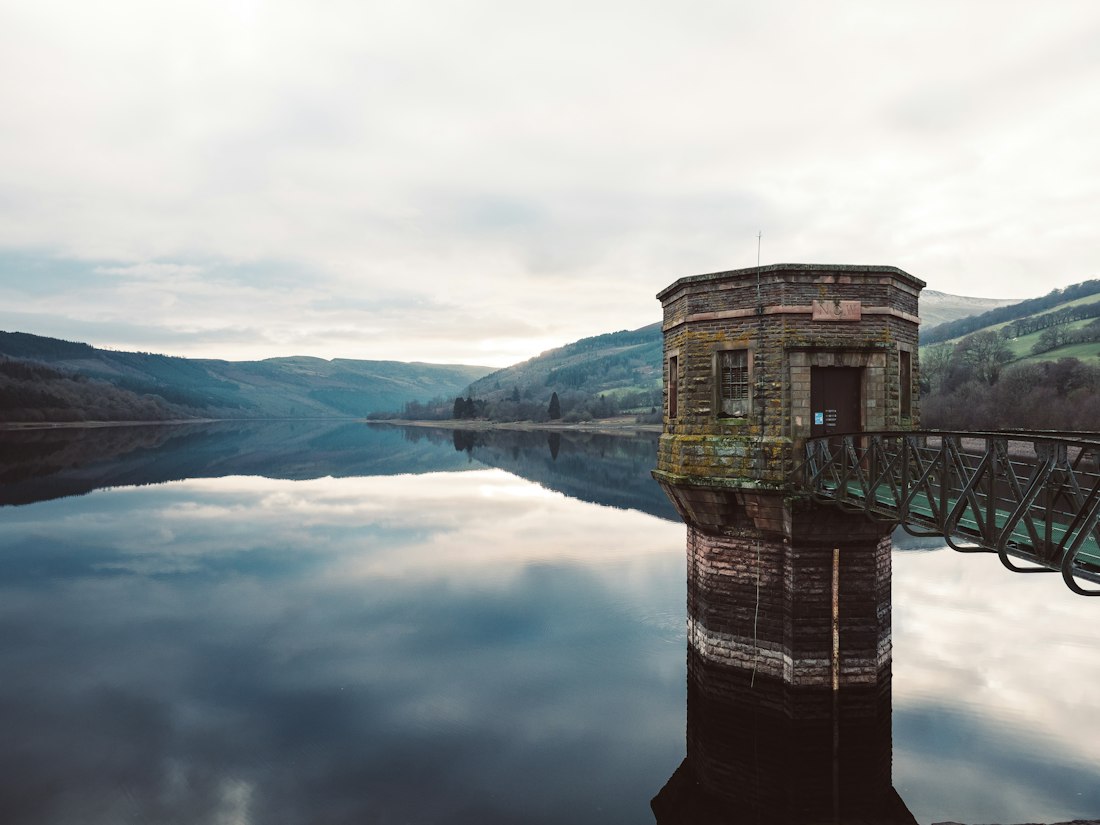
Water infrastructure in landscape (illustrative image)

Water and Utilities

Integrating civils, process equipment, mechanical and electrical activities.

Planning outcome: Civil, MEICA and commissioning dependencies integrated around operational constraints.

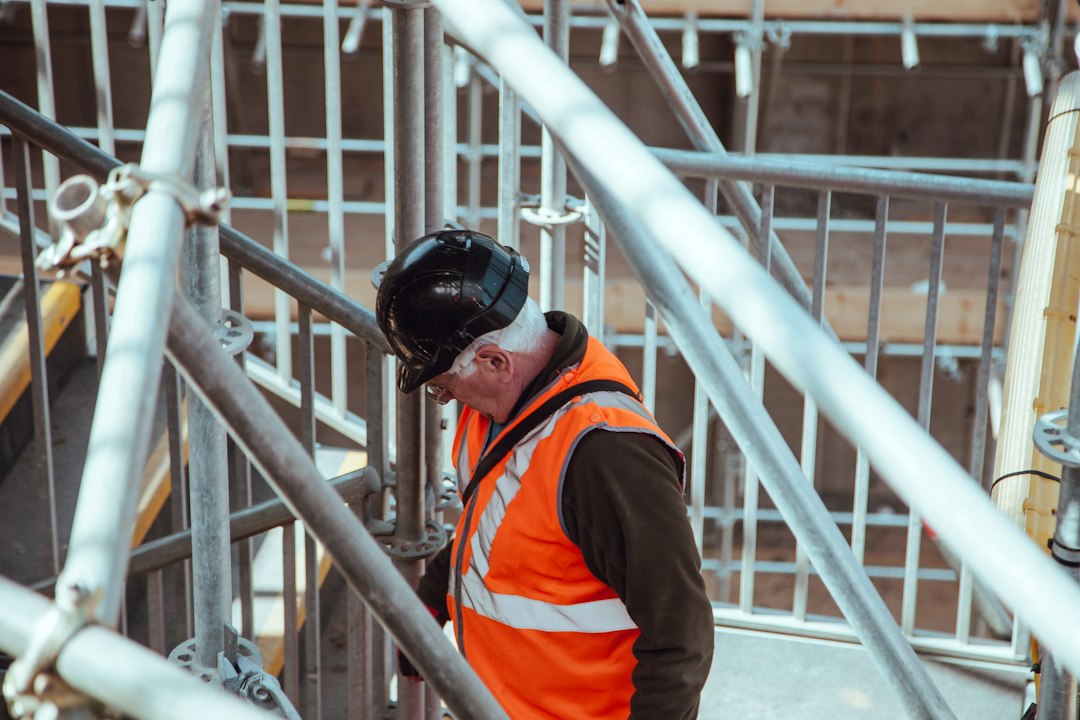
Construction workers at work on a London project (illustrative photo by Clem Onojeghuo)

Construction and Buildings

Coordinating enabling works, structures, building services and regeneration or refurbishment interfaces.

Planning outcome: Building services and commissioning sequenced early, so handover dates hold.

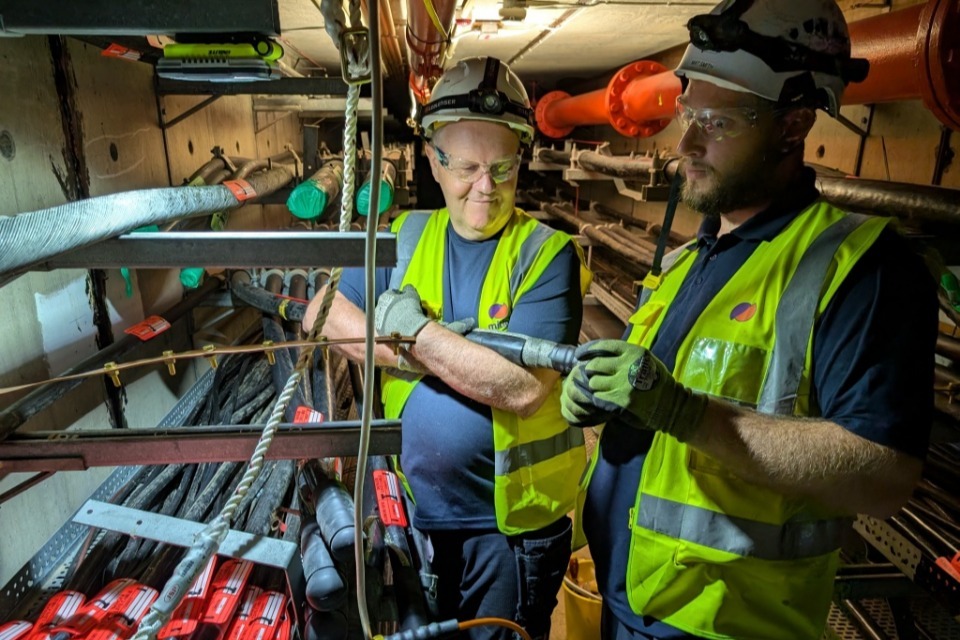
UK nuclear decommissioning personnel carrying out cable work at Oldbury turbine hall. Source: GOV.UK

Nuclear and Defence

Integrating regulated works, contractor interfaces, access restrictions, safety hold points and complex decommissioning sequences.

Planning outcome: Critical interfaces and hold points made visible for programme assurance and delivery decisions.

Selected work

Programme challenges and how we approach them

Anonymised examples of planning work across water, nuclear, utilities and defence. These outline the programme challenge, planning response and practical outcome.

Water Treatment Works Upgrade

Challenge: Live operations alongside civil, mechanical, electrical and commissioning activities.

Planning response: A logic-linked Primavera P6 programme coordinated around process interfaces and shutdown windows.

Outcome: Critical dependencies and commissioning risks clearly identified ahead of progress decisions.

Nuclear Decommissioning Programme

Challenge: Several contractors, regulatory hold points and a fragmented delivery schedule.

Planning response: Schedule health checks, logic and constraint reviews, and integration of contractor programmes into a coordinated master programme.

Outcome: A joined-up view of key milestones, interfaces and forecast risks for programme assurance.

Utilities Network Upgrade

Challenge: Utility diversions, access dependencies and multiple workfronts that need coordinating with construction activities.

Planning response: An integrated sequence for design, permits, procurement, enabling works, network interventions and reinstatement, with key interfaces reviewed regularly.

Outcome: Interface and permit dependencies visible in the programme, supporting coordinated decisions on workfront readiness.

Defence Infrastructure Tender Planning

Challenge: A constrained delivery environment, access requirements and interdependent design, procurement and construction activities.

Planning response: A logic-linked tender programme developed around the proposed methodology, long-lead items, key dates and risk allowances, supported by a tender narrative.

Outcome: A coherent bid programme showing the planned delivery sequence, access assumptions and activities controlling key milestones.

How We Work

The Programme Tells a Clearer Story When the Detail Is Right.

We start by understanding the project scope, delivery strategy, interfaces and contractual requirements. We then develop a logic-linked programme that can be tested, updated and used by the project team.

During delivery, we validate progress, review the Critical Path and near-critical activities, assess changes and present the information needed for sound decisions.

PROJECT EXPERIENCE

Working on a complex programme?

Talk to us about the planning support your project needs.